CPA Marketing: Complete Guide to Cost Per Action (2026)
This page contains affiliate links. If you buy through them we may earn a commission at no extra cost to you — it never changes our verdict. How we make money.
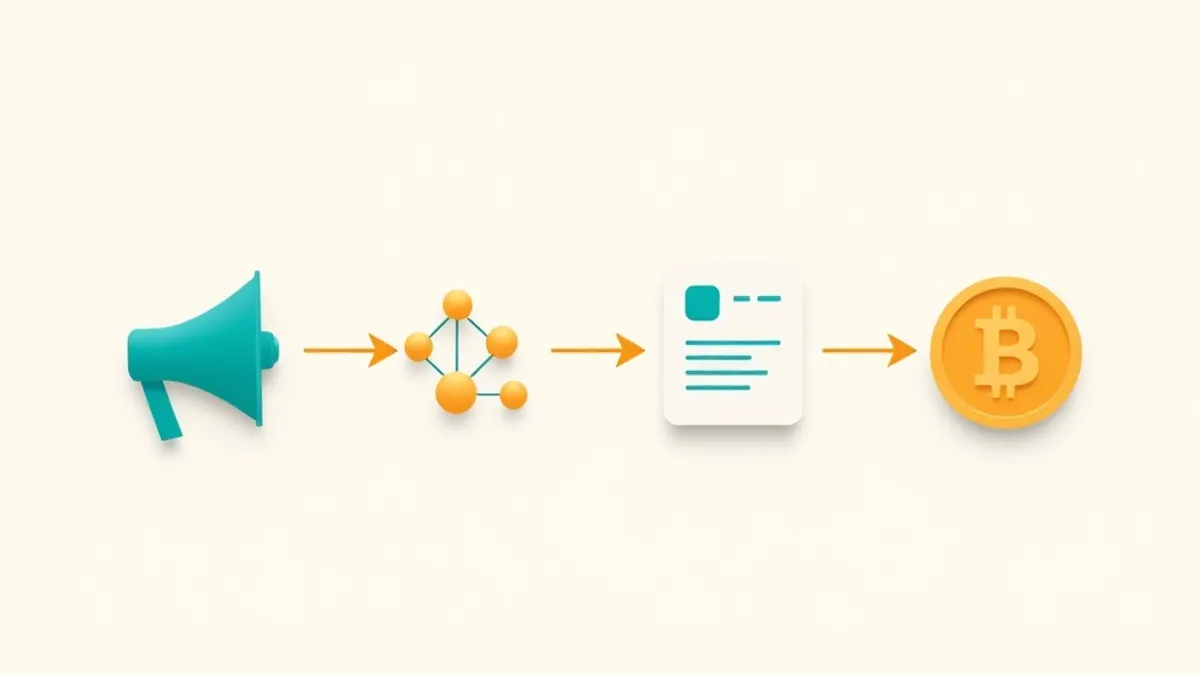
When people first encounter the acronym CPA online, search engines frequently direct them toward accountancy qualifications and tax filing services. In online publishing and performance advertising, however, CPA stands exclusively for cost per action—a monetization model where publishers earn a commission whenever a user completes a specific online objective. Unlike traditional promotional models where you only earn money when a customer completes a full retail purchase, cost per action affiliate campaigns reward you for driving non-monetary micro-actions, such as entering an email address, requesting an insurance quote, or installing a free mobile app.
What is CPA marketing? Cost per action (CPA) marketing is a performance-based digital marketing model where advertisers pay affiliates a specified payout only when a user completes a predefined online action—such as submitting an email address, filling out a form, installing an app, or requesting a trial.
Because money does not always need to exchange hands for an affiliate to earn a payout, CPA digital marketing has become one of the most resilient business models on the web. A publisher who masters campaign structure, audience targeting, and tracking technology can generate reliable revenue across dozens of niches. However, success requires a precise understanding of conversion mechanics, traffic management, and compliance rules. This comprehensive guide breaks down how cost per action marketing operates from end to end, how commissions are tracked and calculated, and how to build scalable campaigns in 2026.
How Cost Per Action Marketing Works End-to-End
At its core, cost per action marketing relies on a four-party value chain: the advertiser, the network, the affiliate marketer, and the consumer. Understanding how value, data, and capital flow through this chain is essential for troubleshooting campaigns and negotiating higher commission rates.
The chain begins with the advertiser (also referred to as the merchant or offer owner). Advertisers are businesses that require specific customer actions to grow their operations. An online university might need qualified student leads, a fintech company might want mobile app downloads, or an insurance provider might need consumers to fill out a multi-step coverage inquiry. Rather than spending millions of dollars on impression-based media buys with unpredictable return on investment, these companies establish a fixed acquisition cost for each verified lead or conversion.
Because managing relationships with thousands of individual web publishers is operationally impossible for most businesses, advertisers partner with specialized platforms known as CPA networks. The network acts as an intermediary, aggregating offers from hundreds of advertisers into a single dashboard. The network handles tracking infrastructure, fraud detection, publisher vetting, and monthly payout distributions. In exchange for managing this middle layer, the network retains an arbitrage margin on every completed action. For example, an advertiser might pay the network $5.00 per validated lead, and the network pays the publisher $4.00, keeping $1.00 as an operational fee.
The CPA affiliate (also called the publisher or marketer) joins the network to source converting offers. The affiliate creates marketing angles, designs promotional landing pages, purchases paid traffic or generates organic search visits, and directs prospective customers to the advertiser’s offer page. When the consumer visits the page and performs the requested action—such as submitting a ZIP code or downloading software—the tracking system logs the transaction and credits the affiliate’s balance.
+-------------------+ +-------------------+ +-------------------+ | Advertiser | ---> | CPA Network | ---> | CPA Affiliate | | (Defines Payout) | | (Tracking & Escrow)| | (Drives Traffic) | +-------------------+ +-------------------+ +-------------------+ | v +-------------------+ +-------------------+ +-------------------+ | Monetized Lead | <--- | User Performs Act | <--- | Targeted Audience | | (Payout Trigger) | | (Form, Download) | | (Paid or Organic) | +-------------------+ +-------------------+ +-------------------+
This end-to-end pipeline creates an efficient transfer of risk. The advertiser eliminates ad-spend risk by paying exclusively for verified results. The network manages financial counterparty risk between advertisers and publishers. The affiliate assumes traffic acquisition risk, taking on the cost of generating user attention in exchange for the potential to earn significant profit margins when campaigns convert efficiently.
For newcomers looking for a foundational walkthrough on getting started from scratch, explore our detailed guide on CPA Marketing for Beginners: A Step-by-Step Start (No Experience).
Performance Models: CPA, CPL, CPS, and CPI Compared
While cost per action serves as an umbrella term for performance advertising, media buyers and networks categorize offers into specific sub-models based on the exact action required from the user. Understanding these distinctions is crucial because the conversion friction directly dictates your required traffic volume, landing page strategy, and prospective return on investment.
Cost Per Lead (CPL)
Under a Cost Per Lead framework, an advertiser pays when a prospective customer submits contact information for sales follow-up. CPL offers split into two major categories: Single Opt-In (SOI) and Double Opt-In (DOI). Single Opt-In leads convert immediately after a user submits an email address or basic form, creating minimal friction. Double Opt-In offers require the user to open an email inbox and click a confirmation link before the commission is credited. While DOI leads carry higher friction and lower conversion rates, networks generally pay higher rates for them because the resulting lead list is far cleaner.
Cost Per Sale (CPS)
Cost Per Sale represents traditional affiliate marketing, where a commission is paid only after a full credit card transaction or e-commerce purchase occurs. CPS payouts can be structured as flat fixed fees (such as $50 per subscription sale) or percentage commissions (such as 10% of total cart value). While CPS offers require users to overcome significant financial friction, payouts are typically higher than CPL or low-friction CPA actions.
Cost Per Install (CPI)
Cost Per Install is a specialized branch of cost per action affiliate marketing focused entirely on software, utilities, and mobile applications (iOS and Android). The affiliate receives a payout the moment a user downloads, installs, and launches an app on their device. CPI campaigns rely heavily on mobile ad networks, in-app advertising placements, and social media video channels.
To understand how cost per action pricing compares directly against impression-based (CPM) and click-based (CPC) media buys, read our complete breakdown of CPM vs CPC vs CPA vs CPL ad pricing models.
The following comparative matrix outlines the operational trade-offs across these primary performance models:
| Performance Model | Primary Trigger Event | Typical Payout Range | User Conversion Friction | Traffic Volume Needed | Technical Setup Complexity |
|---|---|---|---|---|---|
| CPL (SOI Email Submit) | Single field form fill | $1.00 – $4.00 | Very Low | Massive Volume | Low |
| CPL (DOI Lead Gen) | Form fill + email click | $3.00 – $12.00 | Low to Moderate | High Volume | Low to Moderate |
| CPI (Mobile App) | App download & initial launch | $1.50 – $8.00 | Low | High Volume | Moderate |
| CPA (Multi-Page Quote) | Detailed survey / quote request | $15.00 – $85.00 | Moderate to High | Medium Volume | High |
| CPS (Direct E-Commerce) | Retail product credit card sale | $20.00 – $150.00+ | Very High | Low to Medium | Moderate |
| CPA (iGaming / Deposit) | Account registration + initial deposit | $50.00 – $300.00+ | High | Low Volume | High |
Why Advertisers Favor Cost Per Action Digital Marketing
From a corporate advertising perspective, impression-based buying (CPM) carries massive risk. An advertiser paying $10 CPM for banner ad displays on major media sites might spend tens of thousands of dollars without generating a single customer inquiry. Search engine clicks (CPC) reduce this risk somewhat by bringing targeted intent, but advertisers can still easily burn capital on high-bid keywords if their on-site funnel fails to convert visitors.
Cost per action affiliate models transfer economic risk away from the brand’s balance sheet. The advertiser establishes a strict target Customer Acquisition Cost (CAC) based on lifetime user value. If a user lifetime value is $200, an advertiser can comfortably pay a $40 CPA per lead, guaranteeing a profitable margin on every converted customer. This economic predictability is why thousands of brands allocate massive performance budgets to networks listed in our review of the Best CPA Networks in 2026: How to Choose and Get Approved.
Realistic Payout Ranges and Conversion Mechanics
One of the most common mistakes beginners make in cost per action marketing is selecting offers based purely on the raw dollar payout rather than calculating the Earnings Per Click (EPC). Payout sizes directly mirror the friction imposed on the user. The lower the effort required from the consumer, the lower the commission per unit—and vice versa.
+------------------------------------------------------------------------+ | CONVERSION FRICTION SPECTRUM | | | | Low Friction / Low Payout High Friction / High Payout| | ========================= ===========================| | • Single Email Submit ($1 - $3) • Short Form Fill ($5 - $15) | | • Mobile App Install ($2 - $6) • Trial Card Swipe ($15 - $45)| | • ZIP Code Inquiry ($1.50 - $4) • Financial Deposit ($100+) | +------------------------------------------------------------------------+
Micro-Conversions: Submits and Swipes
Micro-conversion offers demand virtually no commitment from the site visitor. Common examples include:
- Email Submits & ZIP Submits: $1.00 to $3.50 per action. Users simply enter their email address or ZIP code to participate in a sweepstakes or verify local deal availability.
- App Installs (CPI): $1.20 to $6.00 per action. Users download a game or utility app from Google Play or Apple App Store.
- Push Notification Subscriptions: $0.05 to $0.50 per action. Users click “Allow” on browser push prompt windows.
These offers convert at extraordinarily high percentages—often 15% to 35% on well-targeted prelander pages. However, because payouts are small, success hinges on driving hundreds of thousands of cheap visits through low-cost media channels such as pop-under advertising, push notifications, or viral social content.
Mid-Tier Conversions: Form Fills and Trial Signups
Mid-tier offers require users to invest time or share personal information:
- Lead Generation Forms: $10.00 to $45.00 per action. Used extensively in vertical markets like auto insurance, home improvement, debt consolidation, and secondary education. Users complete a multi-step form detailing their household situation or financial background.
- Free Trial Credit Card Submits: $20.00 to $60.00 per action. Common in skin care, dietary supplements, and specialized software. The customer gets a product trial for free or a nominal shipping charge ($4.95), but must enter full credit card billing details.
Because users must provide valid phone numbers, physical addresses, or payment card details, conversion rates drop to between 2% and 8%. Affiliates must pre-sell these visitors using high-quality editorial prelanders and search-intent traffic.
High-Ticket Conversions: Financial Deposits and Contracts
At the top end of the payout scale sit complex financial and contractual actions:
- iGaming & Casino First-Time Deposits (FTD): $80.00 to $350.00 per action. Requires the user to register an account and make a real-money cash deposit (often $10 or $20 minimum).
- Forex & Crypto Trading Accounts: $200.00 to $80.00+ per action. Requires user identity verification (KYC compliance) and substantial initial trading deposits.
- B2B Software & Enterprise Quotes: $50.00 to $200.00 per action. Demands verified business corporate email addresses and telephone consultations.
To evaluate top-performing options across various verticals and traffic formats, review our curated selection of the Best CPA Offers to Promote in 2026 (By Vertical and Traffic Type).
The table below breaks down the unit economics across standard cost per action categories:
| Vertical Category | Specific Action Required | Average Conversion Rate | Typical Payout | Estimated EPC (Traffic Value) |
|---|---|---|---|---|
| Sweepstakes / Giveaways | 1-Page Email & Name Form | 12.0% – 25.0% | $2.10 | $0.25 – $0.52 |
| Mobile Utilities | App Download & Launch | 8.0% – 18.0% | $3.50 | $0.28 – $0.63 |
| Auto Insurance | Multi-Page Vehicle Form | 3.0% – 7.0% | $28.00 | $0.84 – $1.96 |
| SaaS Free Trial | Credit Card Info for Shipping | 2.0% – 5.0% | $45.00 | $0.90 – $2.25 |
| Personal Loans | Credit Check & Income Form | 1.5% – 4.0% | $65.00 | $0.98 – $2.60 |
| iGaming / Casino | Account Reg + $20 Deposit | 0.8% – 2.5% | $180.00 | $1.44 – $4.50 |
The Four-Part Anatomy of a CPA Marketing Campaign
Every profitable cost per action campaign functions as an interconnected system. If any single component is misaligned, the entire campaign will lose money. To systematically engineer profitable campaigns, split your workflow into four core building blocks: the Offer, the Angle, the Prelander, and the Traffic Source.
+------------------+ +------------------+ +------------------+ +------------------+ | 1. OFFER | | 2. ANGLE | | 3. PRELANDER | | 4. TRAFFIC | | Match product to | —> | Hook psychological| —> | Warm up visitor &| —> | Target intent & | | demographic goal | | audience trigger | | filter bad leads | | buyer alignment | +------------------+ +------------------+ +------------------+ +------------------+
1. The Offer
The offer serves as the foundational anchor of your funnel. When selecting an offer inside a network like MaxBounty, Perform[cb], or ClickDealer, you must evaluate far more than the payout figure. Inspect restrictions carefully:
- Allowed traffic sources (e.g., social, search, native, email, pop).
- Geographic allowance (Geo-targeting restrictions—e.g., US-only, Tier-1 countries).
- Device compatibility (Desktop vs. iOS vs. Android).
- Daily caps (the maximum number of converted leads the advertiser accepts daily from a publisher).
Promoting an offer that accepts only UK mobile traffic via native ads to US desktop search visitors will result in total loss of revenue and potential network suspension.
2. The Angle
The angle is the psychological positioning used to capture user interest and connect a personal problem to the offer’s solution. A single offer can be promoted using multiple distinct angles depending on the demographic segment targeted:
- Offer: Home Solar Panel Installation Lead Form.
- Angle A (Financial Focus): “How Homeowners Are Wiping Out Summer Electric Bills in 2026.”
- Angle B (Environmental Focus): “The 2026 Renewable Energy Incentive Rules Every Suburban Household Should Know.”
- Angle C (Property Value Focus): “Why Adding Solar Panels Increases Home Resale Value Faster Than Remodeling.”
The angle dictates your ad copy, visual imagery, creative direction, and headlines.
3. The Prelander (Landing Page)
Direct linking—sending traffic straight from an ad to an advertiser’s offer page—rarely succeeds on modern ad networks. Advertiser landing pages are designed to capture leads, not to educate or build emotional resonance. A prelander (or bridge page) sits between your ad creative and the merchant offer.
A well-engineered prelander accomplishes three vital objectives:
- Warms Up Traffic: Prepares cold visitors by framing the issue, presenting social proof, or explaining benefits through advertorials, quizzes, or interactive calculators.
- Filters Unqualified Users: Quiz questions force low-intent users to drop off early, protecting the advertiser’s lead quality score and keeping your affiliate account in good standing.
- Complies with Network Policy: Modern advertising platforms like Google Ads and Meta forbid direct affiliate links, requiring compliant, unique landing pages hosted on your own domain.
4. The Traffic Source
The traffic source provides the targeted human attention that powers the entire funnel. CPA digital marketing traffic divides into two distinct channels:
- Paid Media: Paid channels allow instant scaling by purchasing impressions, clicks, or views from networks like Google Ads, Meta Ads, Outbrain/Taboola (Native), or PropellerAds (Push/Pop).
- Organic & Content Media: Organic channels leverage search engine optimization (SEO), YouTube review channels, TikTok organic video clips, or niche blogging.
For marketers looking to streamline campaign assembly, page building, and offer routing, software platforms like CommissionOS attempt to unify traffic generation and campaign structures. You can read our detailed evaluation of the platform’s features, capabilities, and limitations in our full CommissionOS review.
To dive deeper into structuring compliant and high-converting campaign funnels, read our complete guide on how to build a CPA campaign: offer, angle, prelander, and traffic.
Server-to-Server Tracking, Postbacks, and Attribution Explained
In traditional promotional publishing, conversions rely heavily on browser cookies and basic HTTP referrer headers. In modern cost per action affiliate environments, browser-based cookie tracking is largely obsolete due to privacy features, ad-blockers, and third-party cookie restrictions enforced by Apple Safari, Mozilla Firefox, and Google Chrome. Today, professional tracking relies on Server-to-Server (S2S) postbacks and unique tracking parameters.
How S2S Tracking Works in Plain English
Server-to-Server tracking bypasses the user’s browser entirely when logging conversion data. Instead, communication happens directly between the advertiser’s server, the CPA network’s server, and the affiliate’s tracking software (such as Voluum, RedTrack, or Bemob).
The sequence follows five automated steps:
- The Click Generation: A user clicks your ad placement. Your tracking software generates a unique, alphanumeric string called a
Click ID(e.g.,click_id=987654321). - Parameter Passing: Your tracking tool appends this unique ID to your affiliate link when directing the user to the landing page and subsequently to the merchant’s offer URL:
https://advertiser.com/landing?aff_id=123&sub1=987654321 - Session Storage: The advertiser’s database receives the visitor and stores the string
987654321alongside that user’s active session. - Action Trigger: The user completes the desired action (fills out the form, submits payment, or installs the app). The advertiser’s server registers a successful conversion event.
- The Postback Execution: The advertiser’s server fires an automated, background HTTP GET request back to the CPA network or tracker’s postback URL, passing along the recorded ID:
https://tracker.com/postback?click_id=987654321&payout=12.50
[ User Clicks Ad ] ──> Tracker Generates Unique Click ID (987654321) │ ▼ [ User Arrives at Merchant ] ──> Merchant Server Remembers ID (987654321) │ ▼ [ User Completes Action ] ──> Merchant Fires Background Server Request │ ▼ [ Postback Received ] ──> Payout ($12.50) Credited to Affiliate
Because this communication occurs on the back end, user ad-blockers, deleted browser cookies, and device privacy toggles cannot block the postback. This guarantees 100% accurate attribution for every verified lead.
Key Tracking Parameters Every Marketer Must Know
When setting up campaign URLs in your tracking dashboard, you will utilize specific dynamic tokens:
{clickid}/{subid}: The unique identifier assigned to an individual session.{sourceid}/{zoneid}: The specific placement, website, or publisher ID within a paid ad network where your ad was served.{campaignid}: The specific advertising campaign setting.{cpr}/{cost}: The actual cost paid for that specific click passed dynamically from the ad platform.
Proper configuration of these tokens ensures you can analyze performance down to the exact ad spot, geographic region, device type, and creative variation. To review essential software tools used for managing these parameters, see our guide to the Best CPA Marketing Tools and Software in 2026.
Reversals, Scrubbing, and Lead Quality: Protecting Commissions
Earning commissions in your tracking dashboard is only half the battle. If those conversions do not survive the advertiser’s validation checks, your earnings can be reversed, or your publisher account may face network scrubbing.
What Is Scrubbing?
Scrubbing refers to the practice where conversions completed by users are deliberately disallowed or uncredited by an advertiser or network. Scrubbing occurs for both legitimate operational reasons and, occasionally, unethical business practices.
Legitimate scrubbing happens when submitted actions fail basic validation parameters established in the offer contract. Shady scrubbing occurs when unethical networks drop credited conversions on legitimate leads to reduce payout obligations. Working with established platforms reviewed in our breakdown of major platforms like MaxBounty or comparing options in our analysis of CPALead, CPAGrip, CPABuild, and AdCombo significantly reduces unprincipled scrubbing risk.
Top Reasons Affiliate Commissions Get Reversed
Understanding the common triggers for lead reversals allows you to clean up your traffic sources before losses mount:
- Duplicate Submissions: A user completes an auto insurance quote form, but their email address or phone number already exists in the advertiser’s active customer database.
- Fraudulent / Invalid Data: A user enters fake phone numbers (e.g., 555-0199), gibberish names, or invalid physical addresses. Many performance advertisers run immediate backend validation APIs; if a lead fails automated phone carrier or address validation checks, the conversion drops instantly.
- Geographic Mismatches: A user clicks a US-only financial offer while connected through a European IP address.
- Proxy & VPN Usage: Performance networks automatically detect traffic originating from known datacenter IP addresses, VPN connections, or TOR exit nodes, flagging them as potential fraud.
- Incentivized Traffic Violations: Driving users to complete forms by promising free game currency, gift cards, or cash rewards when the offer strictly prohibits incentivized traffic. Incentivized leads carry virtually zero long-term business value for advertisers, prompting immediate conversions reversals and account terminations.
+------------------------------------------------------------------------+ | COMMON LEAD REVERSAL CAUSES | | | | [Fake Data] [Geo Mismatch] [VPN/Proxy] [Duplicates] | | Invalid phone User IP outside Datacenter IP Lead already in| | or email info allowed country detected advertiser DB | | │ │ │ │ | | └─────────────────┴────────┬────────┴─────────────────┘ | | │ | | v | | [ AUTOMATED REJECTION / SCRUB ] | +------------------------------------------------------------------------+
Optimizing Your Quality Score
Advertisers constantly monitor the downstream performance of leads sent by each publisher. If you send 100 financial leads and 10 of those users purchase insurance, your Quality Score is exceptional. If you send 1,000 leads and zero users purchase, the advertiser will shut down your traffic access—even if all 1,000 form submissions contained valid personal data.
To protect your quality scores:
- Pre-qualify visitors using landing page copy that clearly sets expectations.
- Avoid clickbait headlines that misrepresent the offer.
- Use recaptcha or bot-filtering tools on your prelanders to stop automated submission scripts.
Legal Compliance, Regulations, and Platform Guidelines
Cost per action marketing operates under strict regulatory oversight. Operating without proper legal disclosures or violating ad platform policies can result in heavy financial penalties, permanent ad account bans, or total removal from affiliate networks.
Regulatory Disclosures (FTC, GDPR, and CCPA)
In the United States, the Federal Trade Commission mandates clear, conspicuous disclosures whenever a publisher maintains a financial relationship with a recommended product or service. According to official FTC Endorsement Guides, disclosures must be:
- Unambiguous (e.g., “We receive financial compensation from companies reviewed on this site”).
- Placed above the fold and visible before a user encounters an outbound affiliate link.
- Easy to read on both mobile devices and desktop computers.
For a fuller treatment of where the legal line actually sits — and how it differs from network terms and ad platform policies — see our guide to whether CPA marketing is legal and what gets affiliates banned.
In the European Union and California, data protection frameworks like GDPR and CCPA govern how user data is gathered. If your landing page uses tracking pixels, analytics tools, or collects email leads via forms, you must provide:
- A clear Privacy Policy link on every landing page.
- Explicit cookie consent options for tracking scripts.
- An opt-out mechanism for users requesting data deletion.
Ad Network Prelander Rules
Major paid traffic sources—including Google Ads, Meta Ads, Microsoft Advertising, and native ad networks—maintain strict policies governing prelanders and bridge pages. Common policy violations that lead to immediate account suspension include:
- Bridge Pages Without Unique Value: Search engines prohibit thin landing pages designed solely to funnel users to an external affiliate site. Your page must contain substantial, unique content, reviews, or functional tools.
- Misleading Health or Wealth Claims: Promising guaranteed income, instant weight loss, or medical cures without clinical proof violates advertising rules.
- Deceptive Design Elements: Utilizing fake countdown timers, false system alerts (“Your phone has 3 viruses!”), or fake user testimonial comments with stock photos will result in immediate media account bans.
- Brand Bidding Violations: Running search ads on trademarked brand names (e.g., bidding on “State Farm Insurance”) when prohibited by the advertiser’s network terms.
Always review the specific merchant terms inside your network dashboard before deploying paid ad spend.
Leveraging AI-Driven Pre-Landers and Dynamic Personalisation
As ad platforms refine their targeting algorithms, the primary point of leverage for CPA marketers has shifted from broad audience targeting to the post-click experience. Direct linking to an advertiser’s landing page rarely yields sustainable profit margins on competitive traffic networks. Success increasingly relies on sophisticated pre-landing pages (pre-landers) that bridge the psychological gap between the initial ad creative and the final conversion action.
Modern CPA workflows rely heavily on artificial intelligence and dynamic personalisation to tailor this intermediary step in real time. Rather than presenting a static presell page, marketers use dynamic keyword insertion and conditional rendering scripts to adjust headline copy, images, and localised details based on incoming user parameters—such as geo-location, device category, or search query intent. When a visitor sees content that directly mirrors the context of the ad they clicked, engagement typically increases and click-through rates to the offer page improve.
However, relying on AI-generated presell content introduces distinct operational risks if left unmonitored:
- Compliance Violations: AI copywriting tools can inadvertently generate exaggerated claims, fake testimonials, or misleading urgency triggers. On networks like MaxBounty, AdCombo, or CPAGrip, submitting non-compliant presell pages can lead to immediate offer revocation or withheld payouts.
- Page Latency: Overloading pre-landers with heavy client-side scripts for dynamic rendering often slows page loading speeds. In performance marketing, even a minor delay in page rendering can severely diminish conversion volume.
- Congruence Drift: Automated creative variations may drift too far from the advertiser’s actual product parameters, resulting in high click-through rates on the pre-lander but low backend completion rates on the offer page—triggering quality flags from the network.
To deploy dynamic pre-landers effectively, systematically review all automated copy against the offer’s promotional guidelines before launching campaigns. Maintain clean, lightweight templates hosted on fast content delivery networks, and restrict dynamic personalisation to specific, high-intent variables like geographic location or device context rather than completely rewriting the core promotional narrative.
Securing CPA Network Approvals and Working with Affiliate Managers
Joining reputable CPA networks is often the first operational hurdle for affiliate marketers. Platforms such as MaxBounty and AdCombo conduct rigorous manual vetting processes to prevent click fraud, protect advertiser budgets, and maintain lead quality. An unverified or vague application frequently results in an immediate rejection, locking you out of high-converting offers.
To navigate the approval process successfully, you must present a transparent, professional promotional strategy. Networks evaluate applicants primarily on traffic legitimacy and compliance risk. When completing application forms, avoid generic statements such as “I plan to buy paid ads.” Instead, specify your exact traffic channels (such as native advertising platforms, search engine marketing, or contextual push notifications), your target niches, and your tracking setup. Submitting an application using a custom domain email address rather than a free webmail provider instantly signals operational credibility.
If a network requires a phone or online interview, treat the interaction as a professional consultation. Be honest about your experience level; networks routinely accept well-prepared beginners who demonstrate a firm grasp of compliance and media buying mechanics, whereas applicants claiming massive budgets without supporting evidence are routinely flagged for fraud.
Once accepted into a platform, your assigned Affiliate Manager (AM) becomes an essential strategic partner. AMs possess real-time, network-wide data and can significantly accelerate your campaign performance:
- Targeted Offer Insights: AMs can identify top-converting campaigns specifically matched to your traffic source and target geography.
- Payout Bump Negotiations: Once you demonstrate consistent lead quality and volume, AMs frequently have the discretion to increase your per-action payout rates.
- Cap Expansions: High-performing offers often feature strict daily conversion limits. A strong relationship with your AM enables you to secure higher caps when scaling profitable campaigns.
- Creative Guidance: AMs can share anonymised insights regarding which angles, pre-lander formats, and call-to-action styles are currently generating the strongest conversion rates across the network.
Maintaining open, professional communication with your AM—providing regular updates on traffic tests and strictly respecting offer restrictions—ensures long-term account stability and grants access to exclusive, higher-yielding inventory.
Next Steps for Building Your CPA Marketing Business
Cost per action marketing remains one of the most scalable online revenue models because it aligns the financial incentives of advertisers, publishers, and platforms. Advertisers secure cost-effective customer acquisitions, while affiliates gain access to monetizable opportunities that do not require building custom products or handling post-sale customer support.
To build a long-term cost per action affiliate business:
- Focus on Vertical Mastery: Select one or two core niches—such as insurance lead generation, mobile software, or finance—and learn the specific audience psychology and offer mechanics of those industries.
- Master Funnel Engineering: Build custom, high-speed landing pages optimized for mobile devices, and utilize S2S postback tracking to maintain total data visibility.
- Prioritize Lead Quality: Protect your affiliate network standing by pre-qualifying users, keeping lead quality high, and adhering strictly to legal disclosure requirements.
For broader context on high-payout niches, review our comparative analysis of High-Paying CPA Verticals: Dating, Forex, and Travel Compared. By applying structured testing, rigorous tracking, and strict adherence to ad compliance standards, you can build a resilient, performance-driven digital marketing asset.
Related guides

CPA Marketing for Beginners: Complete Step-by-Step Guide
Learn how to launch your first cost-per-action campaign with our complete step-by-step CPA marketing for beginners guide, covering offers, networks, and traffic.
Best CPA Networks in 2026: How to Choose and Get Approved
Compare the best CPA networks in 2026, discover high-converting offer verticals, and learn the exact step-by-step process to pass network approval calls.

Best CPA Offers to Promote in 2026: Vertical & Traffic Match
Learn how to select the best CPA offers to promote in 2026. Compare payouts, friction levels, compliance rules, and traffic matching across top verticals.